English
 Français
 Deutsch
 Italiano
 Español


ONLY BE AMSTERDAMMER

ONLY BE BUDAPESTER

ONLY BE VENETIAN

ONLY BE BARCELONIAN

ONLY BE BERLINER

ONLY BE VALENCIAN

ONLY BE ISTANBULITE

ONLY BE FLORENTINE

ONLY BE LISBOETA

ONLY BE LONDONER

ONLY BE NEW YORKER

ONLY BE MADRILENIAN

ONLY BE MALAGUEÑO

ONLY BE MILANESE

ONLY BE PARISIAN

ONLY BE PORTUENSE

ONLY BE PRAGUER

ONLY BE ROMAN

ONLY BE SEVILLIAN

ONLY BE PROXIMAMENTE

ONLY BE ATHENIAN
ONLY BE COMING SOON
ONLY BE COMING SOON
ONLY BE COMING SOON
Last posts
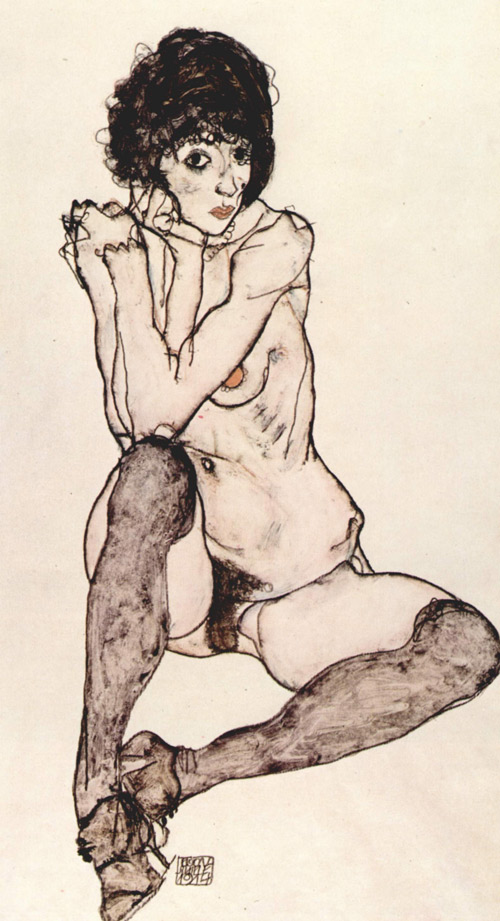
Leopold Museum pays $ 19 million for a work of Egon Schiele
The Leopold Museum, one of the most important in Vienna, paid no less than $ 19 million to restore a work by Austrian painter Egon Schiele. The museum’s director, Peter Weinhäupl, revealed that the agreement was made through a settlement that ended a long legal battle concerning the painting’s provenance. The painting is called “Portrait of Wally” and the museum is content to have the picture back in its collection following its seizure in 1998 by US authorities, concerning suspicions that it had been stolen from its rightful owners by the Nazis. To make this purchase Weinhäupl said the Museum sold various paintings and a U.S. bank will finance the transaction. As collateral, they took five gouache paintings by Schiele. According to both Elisabeth Leopold and Diethard Leopold, the wife and son of the late founder of the museum, Rudolph Leopold announced that when “Portrait of Wally” is back at home will be a special presentation with a text to be written by both the Foundation and by the heirs of original owner. This text will explain the history of the work and the various changes of ownership, as well as all the legal wrangling that took place afterwards. “Portrait of Wally” was stolen from a Jewish collector in Vienna by the Nazis in the ´30s. Years later, in the ´50s, Rudolph Leopold finally managed to acquire it. If you want to visit the Leopold Museum, where you can see paintings by Schiele and other very important Austrian artists, you can rent apartments in... read more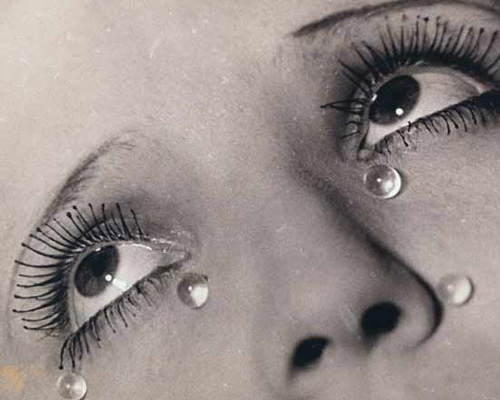
Subversion of images
With photographic and audiovisual works of surrealist artists as Manray, Boiffard, Painlevé, Tabard and Bresson, the curators and Clément Quentin Bajac Cheroux, present the exhibition “The Subversion of Images” in the MAPFRE Foundation This exhibition, with over 300 photographs, 100 documents and about 10 films organized into nine sections, attempts to address the processes of research and experimentation that made the surrealist movement through photography, film and all possible variants of visual work. The surrealist movement was determined to change life through art and to achieve the indissoluble union of art and life. That is why its experimentation crossed all levels of life to discover the “ beyond”. This need to transform the look, to contemplate the environment and the point of view from which we observe revolutionized the possibilities of the image. The first section of the exhibition entitled “Collective Action” and it presents the surrealist movement as such, and as first the collective over the individual. Hence the display of collective writings, manifestos, exquisite corpses, collage and multiple photographic images of the group. Secondly we find the “Theater of the unreason” that shows how the theatricality, which shows how drama, a pillar of the aesthetics of surrealism, applied to photography. “The real, accidental, how wonderful,” is the section which deals with the street. Windows, mannequins, deserted streets at night become subject to portrayals of the hidden or secret. “The mounting board” brings together images, photographs, clippings or postcards collages, photomontages and exquisite corpses that were published regularly in magazines of the time. The tension generated between what we see and its reality or the surreal look of... read more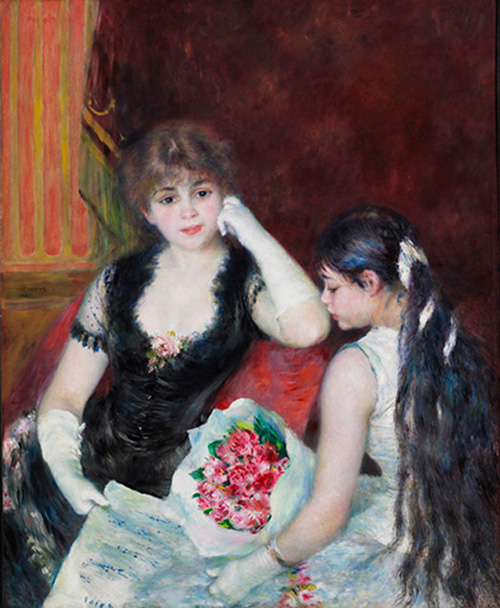
Renoir exhibition at Prado Museum Madrid
The Museo del Prado, one of Europe’s most important museums, is going to open the first Renoir exhibition in Spain in October, the 19th to be more precise. The show is titled “Renoir (1841-1919)” and will present one of the world’s biggest collections of works by the French painter, owned by the Clark Art Institute from Massachusetts, which worked closely with the Prado Museum in order to set up this amazing exhibition. The exhibit will show 31 pieces owned by Robert Sterling Clark (1877-1957), founder of the Sterling & Francine Clark Art Institute. The exhibition is meant to highlight the rich diversity of Renoir’s oeuvre, by showing his most relevant periods between 1874 and 1900. The artist was interested in different themes, such as: landscapes, flowers and dead nature, portraits, nudes, and feminine figures. Sterling Clark inherited a huge fortune in 1910 and moved to Paris, where he started collecting art works. Without a doubt, Renoir was one of his favorites and, currently, the Clark collection is one of the biggest collections of the French painter in the world. Pierre-Auguste Renoir is one of the most important painters of the French impressionism. And although the impressionism is based on the representation of the world through a spontaneous and subjective perspective, Renoir wasn’t always faithful to this paradigm and added a great amount of sensuality to his style, which was linked to oriental art and feminine beauty, though without distancing himself too much from the impressionist manifesto. Without a doubt, “Renoir (1849-1919)” is one of the most important exhibitions that have been shown at the Prado lately, so if you... read more
RANKINGS
Do you want to know the best cities to escape for gastronomy? We will tell you!

VERSUS
Showdown: pure and simple. Comparison is the best way to make a decision.

TRAVEL TIPS
Travelling means many things. We will provide you with all you need. Don’t miss anything.

APPS AND BOOKS
Technology and literature, the necessities of a good traveler.

GUEST
We want to hear your story; we want to travel with you.
Changes, progress and achievements. Only-apartments daily.
Promotions