English
 Français
 Deutsch
 Italiano
 Español


ONLY BE AMSTERDAMMER

ONLY BE BUDAPESTER

ONLY BE VENETIAN

ONLY BE BARCELONIAN

ONLY BE BERLINER

ONLY BE VALENCIAN

ONLY BE ISTANBULITE

ONLY BE FLORENTINE

ONLY BE LISBOETA

ONLY BE LONDONER

ONLY BE NEW YORKER

ONLY BE MADRILENIAN

ONLY BE MALAGUEÑO

ONLY BE MILANESE

ONLY BE PARISIAN

ONLY BE PORTUENSE

ONLY BE PRAGUER

ONLY BE ROMAN

ONLY BE SEVILLIAN

ONLY BE PROXIMAMENTE

ONLY BE ATHENIAN
ONLY BE COMING SOON
ONLY BE COMING SOON
ONLY BE COMING SOON
Last posts
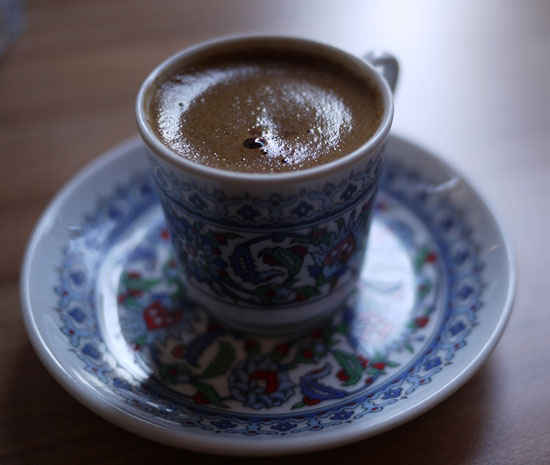
Coffee and Fortunes in Modern Istanbul
An essential part of any visit to Istanbul is experiencing the thick aromatic charm of Turkish coffee, or kahve, as it is known in Turkey. As you sit in the exotic city streets, sipping the strong liquid from brightly decorated little cups, you will be tasting the source of a long cultural tradition that has grown since coffee was introduced to the Ottoman Empire in the 1500s. Turkish coffee differs from European and Antipodean brews in the way it is served. Boiled slowly in a little pot called a cezve, and often spiced with cinnamon or cardamom, the result is a fragrant cup of half-liquid and half silty-grind (that you don’t drink). Traditionally, young girls would be taught the art of coffee preparation for the eventual day that potential husbands would come to ask for their hand. Folklore tells that if the coffee was served salty, a girl was not impressed by her intended, and if the coffee was served extra sweet, she agreed with the proposal. It is also told that the judgement would be passed in the opposite direction, with a girl’s suitability as a wife depending heavily on the taste and presentation on the brew. Coffee has also long served an important role in the everyday life of Turks, being a pillar of hospitality, a sign of well-wishes and an ice-breaking beverage before that start a serious discussion. It is also served when people meet with friends, when men play the nationally-loved game of backgammon and when women gather to eat sweets. Evolved from these social gatherings, is the game of telling fortunes in the remaining... read more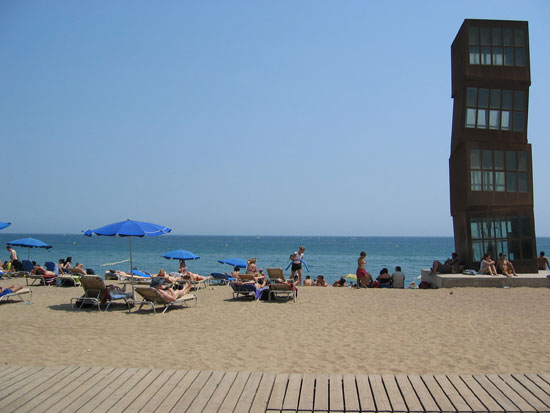
August in Barcelona: the world is yours
August in Barcelona: Things to do
read more
The Poble Espanyol for Kids, in Barcelona
During the Roaring Twenties, Barcelona displayed even greater splendor each morning. It made the city sparkle. It filled the suburbs with stately homes. Modernism decorated all the public places. Goods left the city’s ports en route to remote destinations. The suburbs were plagued with textile factories. Picasso and his friends discussed ideas at the tables of “Els quatre gats”, and the whole town was an ebb and flow of ideas and diverse artistic currents. Barcelona always wanted to be at the forefront. And the result of this strength and openness, magnified by the many other major international events that have come later, is the Poble Espanyol. It opened in the highlands of Montjuic in 1929 for the world exposition, and it may well be the world’s oldest theme park that is also used recreation and leisure. Today the Poble Espanyol is a place open to everyone, especially families with children, with activities of all kinds and for all tastes. But, let´s take a closer look. The Poble Espanyol features wonderful reproductions of the various architectural styles of the country. You can visit a recreation of a Castilian plaza and then see a Galician granary. In addition, you can organize and rent spaces for any event (end of the year holidays, weddings, family celebrations or business parties). In addition, the Poble Espanyol has a space reserved for concerts and their own programs, especially in the summer months when they offer a variety of events, as we make note of occasionally. What´s more, there offer workshops, craft and art exhibitions, and other entertainment. This creative agenda is what makes the Poble... read more
RANKINGS
Do you want to know the best cities to escape for gastronomy? We will tell you!

VERSUS
Showdown: pure and simple. Comparison is the best way to make a decision.

TRAVEL TIPS
Travelling means many things. We will provide you with all you need. Don’t miss anything.

APPS AND BOOKS
Technology and literature, the necessities of a good traveler.

GUEST
We want to hear your story; we want to travel with you.
Changes, progress and achievements. Only-apartments daily.
Promotions