English
 Français
 Deutsch
 Italiano
 Español


ONLY BE AMSTERDAMMER

ONLY BE BUDAPESTER

ONLY BE VENETIAN

ONLY BE BARCELONIAN

ONLY BE BERLINER

ONLY BE VALENCIAN

ONLY BE ISTANBULITE

ONLY BE FLORENTINE

ONLY BE LISBOETA

ONLY BE LONDONER

ONLY BE NEW YORKER

ONLY BE MADRILENIAN

ONLY BE MALAGUEÑO

ONLY BE MILANESE

ONLY BE PARISIAN

ONLY BE PORTUENSE

ONLY BE PRAGUER

ONLY BE ROMAN

ONLY BE SEVILLIAN

ONLY BE PROXIMAMENTE

ONLY BE ATHENIAN
ONLY BE COMING SOON
ONLY BE COMING SOON
ONLY BE COMING SOON
Last posts
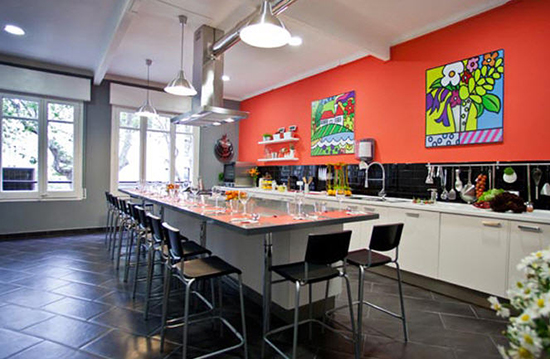
Ouest Restaurant New York
Ouest has been in the city for over 20 years and thanks to its dishes, good vibe and relaxing atmosphere, it´s managed to become one of the most important.
read more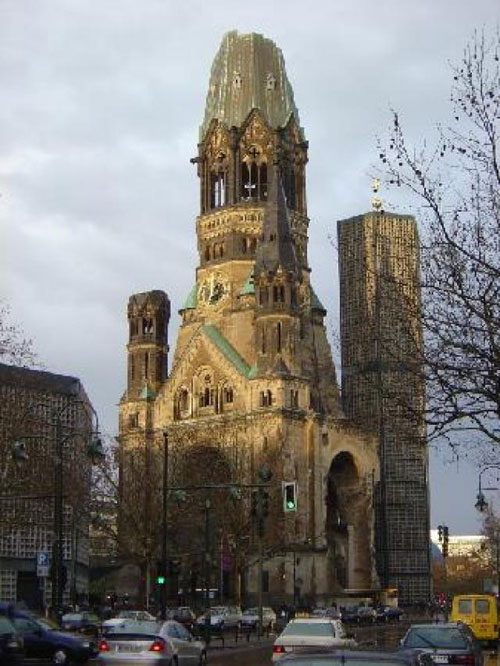
The ruins of the Kaiser Wilhelm Church in Berlin
Since the moment Herder started to sail, carrying a dynamic and revolutionary perspective of history, full of a notion of culture as the true human nature, showing the democratic individualism as a political conviction, a deep interest in the collection of popular culture and a creative fascination called the reason for living (i.e. the dimensions of what we would later call the unconscious). Germany is the birth place of Romanticism, and given the popularity of this movement in terms of the aesthetic disposition of the spirit, without which is not possible to understand the contemporary history of art and ideas, he felt from the beginning through the ruins, from which emanate a feeling that double fertilization is expressed in deep melancholy fascination by the power of human invention and creation as an obnubilante fatalism product no less convinced of the destructive power of nature and time – it is so tragic that Berlin would become the end of the Second World War in a debris field with sufficient credentials to be the capital of sorrow for excellence, both suffered as monstrously caused the city regarding the development of the Natural History of Destruction, Sebald was talking about so as disruptive. Fortunately, all that is far behind, and Berlin returns to be a vibrant, dynamic and creative city, where are nothing but fruitful, productive lives. However, there are still lots of reminders of that unspeakable horror to which we have no excuses to forget and learn the lessons of a so atrocious past. Of all these historical buildings, perhaps Kaiser Wilhelm Memorial Church’s tower www.gedaechtniskirche-berlin.de/KWG/index.php, neo-Romanesque building, built between 1891... read more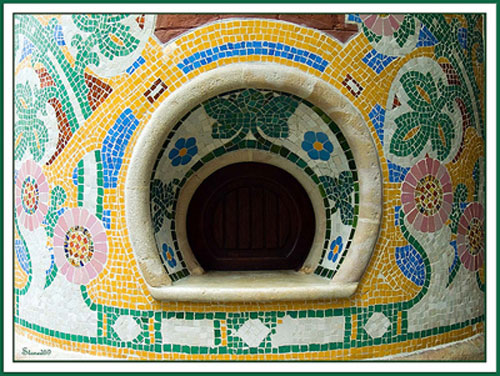
The modernist route of Barcelona and the Costa Brava
Towns where one breathes the history of Catalonia from another era, where buildings and gardens were built in great detail and artistic luxury for the families of the Catalan bourgeoisie, which at that time, spent summer in the Costa Brava. Buildings that stand today to become true jewels of Catalan Modernism and for tourists eager for culture and an environment full of natural beauty is a must to see. There are at least a couple of modernist routes we must mention, within these, we highlight some sites that are particularly important if you are looking to know more about Catalan Modernism. It is precisely these sites that we feature below. Modernism in Catalonia, was born around 1900, and was a move of great importance that had outstanding artists in almost all fields of art, but one of the most important is, of course, architecture, where Rafael Maso, Josep Cadafalch Puig, Lluis Domenech i Muntaner and of course, the greatest exponent of Catalan modernist architecture, Antoni Gaudí stand apart. The route of the Costa Brava starts in Blanes, a town located 58 km from Barcelona and 32 from Girona, the provincial capital, which is famous for its modernist houses, among them we find the home of the Star, the center cultural house of the village, the Tordera house, Can Alemany, Can Can Panxo Nonell Gordo and others. By continuing to travel along the promenade, taking the coastal road there are some of the most beautiful gardens you can imagine. The most important of these is located between two creeks, Sa forcanera and San Francisco, the Marimurtra Botanical Garden, one of... read more
RANKINGS
Do you want to know the best cities to escape for gastronomy? We will tell you!

VERSUS
Showdown: pure and simple. Comparison is the best way to make a decision.

TRAVEL TIPS
Travelling means many things. We will provide you with all you need. Don’t miss anything.

APPS AND BOOKS
Technology and literature, the necessities of a good traveler.

GUEST
We want to hear your story; we want to travel with you.
Changes, progress and achievements. Only-apartments daily.
Promotions