English
 Français
 Deutsch
 Italiano
 Español


ONLY BE AMSTERDAMMER

ONLY BE BUDAPESTER

ONLY BE VENETIAN

ONLY BE BARCELONIAN

ONLY BE BERLINER

ONLY BE VALENCIAN

ONLY BE ISTANBULITE

ONLY BE FLORENTINE

ONLY BE LISBOETA

ONLY BE LONDONER

ONLY BE NEW YORKER

ONLY BE MADRILENIAN

ONLY BE MALAGUEÑO

ONLY BE MILANESE

ONLY BE PARISIAN

ONLY BE PORTUENSE

ONLY BE PRAGUER

ONLY BE ROMAN

ONLY BE SEVILLIAN

ONLY BE PROXIMAMENTE

ONLY BE ATHENIAN
ONLY BE COMING SOON
ONLY BE COMING SOON
ONLY BE COMING SOON
Last posts
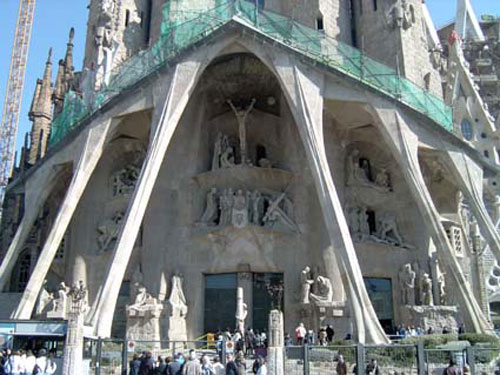
Gaudi’s architecture and territory
All animals need a territory, which they sometimes mark with their urine. We humans do it by adorning it with our personal tastes, reflecting the way we think and view the world. We decorate our spaces with objects which mean something to us, or which make us feel loved, and cheer us up – and so if there is something that conjures up a past trauma or conflict, it is going to do the exact opposite. The founder of surrealism, Andre Breton lived in a small apartment in Pigalle – the Parisian neighbourhood famous for Moulin Rouge, cabaret and sex shops. The flat consisted of a couple of narrow rooms which were filled with paintings, curios, and magical African sculptures. Irish novelist Samuel Beckett lived in the top flat of an architecturally ordinary building, with minimal furniture, and plain blank walls. Out the window was a view of a prison wall. Marcel Marceau lived in a mansion, with a park, with trees covered in spiderwebs and walls covered with photographs of himself with famous people – actors, presidents, millionaires and so on. Most of his furniture were chests displaying medals, diplomas, trophies, etc. In a large studio, hung dozens of his posters in all different languages. Catalan architect Gaudi lived in a house full of furniture designed by himself, inside Parque Güell. He was an artist who never sought the vindication of his own ego, preferring instead to just observe nature (“The tree near my workshop is my mentor“) as inspiration for his own aesthetic style, which didn´t call for ornamentation. Gaudi was the first artist to dedicate a... read more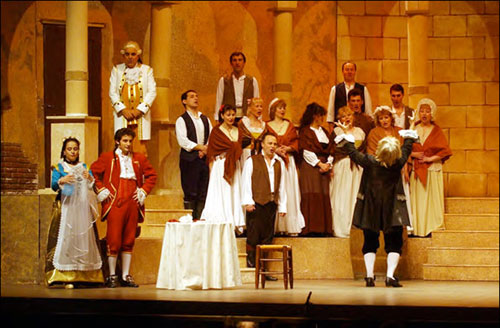
The Marriage of Figaro in Paris
On at Paris´ Opera Bastille until the 7th of June, is Mozart masterpiece The Weddings of Figaro, featuring some of the best soloists in the world, with Bárbara Fritoli playing Countess Almaviva, and Ekaterina Syurina playing Susanna. The Weddings of Figaro is a great four act which was composed by Wolfgang Amadeus Mozart from the libretto by Italian poet Lorenzo da Ponte, who had been inspired by the comedy The Marriage of Figaro, by Pierre Agustín Caron de Beaumarchais. Mozart met da Ponte in the house of his first child´s godfather, the Baron of Wetzlar, and they started to put Beaumarchais´ satirical work to music. Da Ponte was an adventurer born in Venice, who had abandoned his religious upbringing to devote himself to literature, going on to hold the post of court playwright. His career working in the court hadn´t brought great success, so the project of adapting Beaumarchais was his great challenge. The piece opened in Paris to a certain amount of suspicion, due to the fact it was inspired by a text written by somebody who served in the French Revolution, and who had written in a satirical style in order to reflect upon the power struggles of the decadent nobility. Emperor Jose II opposed it being shown in Vienna, one of the most eminent places for opera at the time, as he considered it a bad omen, and too risky. Mozart and Da Ponte managed to convince him to show it, on the condition they made some amendments to the libretto, making it more socially acceptable. The fifth act was quickly deleted, and five characters omitted.... read moreAvogaria
Avogaria is a modern but classic restaurant in the city of Venice where you´ll find the four foods of the day accompanied by a good service.
read more
RANKINGS
Do you want to know the best cities to escape for gastronomy? We will tell you!

VERSUS
Showdown: pure and simple. Comparison is the best way to make a decision.

TRAVEL TIPS
Travelling means many things. We will provide you with all you need. Don’t miss anything.

APPS AND BOOKS
Technology and literature, the necessities of a good traveler.

GUEST
We want to hear your story; we want to travel with you.
Changes, progress and achievements. Only-apartments daily.
Promotions