English
 Français
 Deutsch
 Italiano
 Español


ONLY BE AMSTERDAMMER

ONLY BE BUDAPESTER

ONLY BE VENETIAN

ONLY BE BARCELONIAN

ONLY BE BERLINER

ONLY BE VALENCIAN

ONLY BE ISTANBULITE

ONLY BE FLORENTINE

ONLY BE LISBOETA

ONLY BE LONDONER

ONLY BE NEW YORKER

ONLY BE MADRILENIAN

ONLY BE MALAGUEÑO

ONLY BE MILANESE

ONLY BE PARISIAN

ONLY BE PORTUENSE

ONLY BE PRAGUER

ONLY BE ROMAN

ONLY BE SEVILLIAN

ONLY BE PROXIMAMENTE

ONLY BE ATHENIAN
ONLY BE COMING SOON
ONLY BE COMING SOON
ONLY BE COMING SOON
Last posts
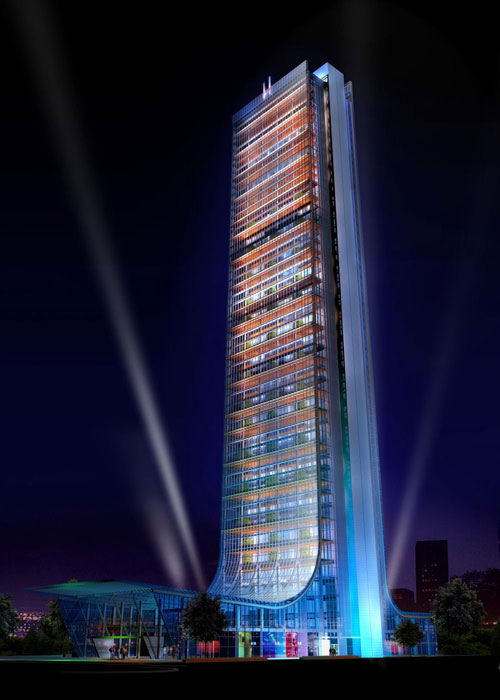
Istanbul Sapphire Tower
Orhan Pamuk, when commenting on the 48 engravings of the wonderful unforgettable book by Antoine-Ignace Melling Voyagge pittoresque de Constantinople et des rives du Bosphore (Paris, 1819), notes that the images give him “the impression of having no heart and no end, like a Chinese writing roll or camera movements in some cinemascope films”. This feeling inevitably takes him to childhood, as it is how the child Pamuk perceived Istanbul. This feeling is intensified by the presence in the prints of landscapes similar to those he knew in his early years, before the hauntingly beautiful hills, slopes and streams of the Bosphorus were covered by ugly apartment blocks in the second half of the twentieth century. His overall impression is that Melling’s images have aroused from a sort of timeless paradise to mingle with their current life, in a movement of the soul not very different from what resonates in the words of writer Samoa Albert Hanover when he writes that for him the Middle Ages is an essentially young, vibrant and gloomy period because it was like this when he studied it, being in a great part his medieval memory the memory of his own youth and vice versa. Pamuk also notes that in Melling’s engravings, which refer sometimes to the Iranian miniatures, do not miss architectural details out of reach of the Eastern painters such as the Leandro or Üskürdar towers views from Pera gardens or the Topkapi Palace painted across the windows of a cafe in Tophane. These towers were then some of the tallest buildings in the city and so remained for decades, until the... read more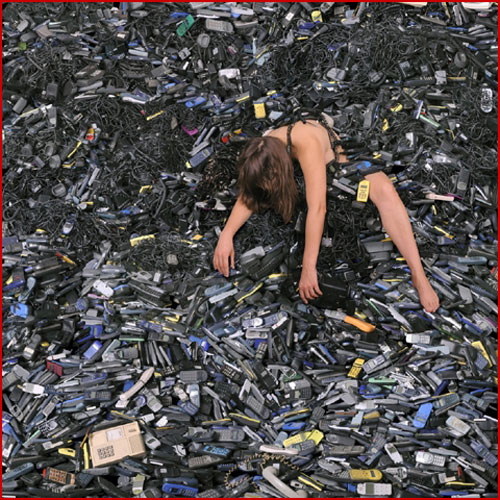
Daniel Canogar in the Canal de Isabel II in Madrid
Text about the current exhibition by Daniel Canogar, one of the Spanish artists with more international projection in the city of Madrid, particularly his huge Travesias installation, which can be seen in the exhibition hall of the Canal de Isabel II until next May 15.
read more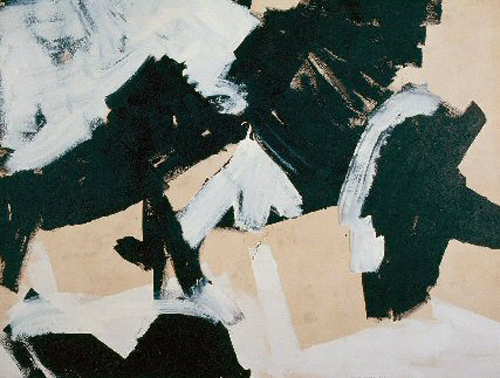
Vítor Pomar at CAM in Lisbon
On April 15, the CAM opens the exhibition “Nothing to do nowhere to go”, which will present the work of Portuguese artist Vítor Pomar. For the first time the CAM in Lisbon will present the work of one of the most iconic artists of Portugal, Vítor Pomar born in Lisbon in 1949. In this exhibition entitled “Nothing to do nowhere to go”, which opens on April 15 and will remain on display until June 12 and where can see some of his most interesting works devised by the artist between 1974 and 2010. With a special emphasis on the visual side of his work the CAM will present video art and film works, which will be displayed in the “Multipurpose Room”. Pomar studied at the Escola de Belas-Artes in Oporto, Portugal in 1966 and 1967. His first exhibition took place in the Gallery Guadrante in 1970, the same year he turned his back on his native country to live in Holland. And it was in the 70´s when Pomar began experimenting with visual media, which came to serve as a conceptual basis for artistic practice, which investigates the mutual infiltration between cinema and photography. Pomar estudió en la Escola de Belas-Artes en Oporto, Portugal en el 1966 y 1967. Su primera exposiciòn tomò lugar en la Galeria Guadrante en 1970, en el mismo año que dió la espalda a su país natal para vivir en Holanda. Y también fue en los años 70 cuando Pomar empezó a experimentar con los medios audiovisuales, lo cual le llegó a servir como base conceptuale para su práctica artística, en la cual indaga... read more
RANKINGS
Do you want to know the best cities to escape for gastronomy? We will tell you!

VERSUS
Showdown: pure and simple. Comparison is the best way to make a decision.

TRAVEL TIPS
Travelling means many things. We will provide you with all you need. Don’t miss anything.

APPS AND BOOKS
Technology and literature, the necessities of a good traveler.

GUEST
We want to hear your story; we want to travel with you.
Changes, progress and achievements. Only-apartments daily.
Promotions